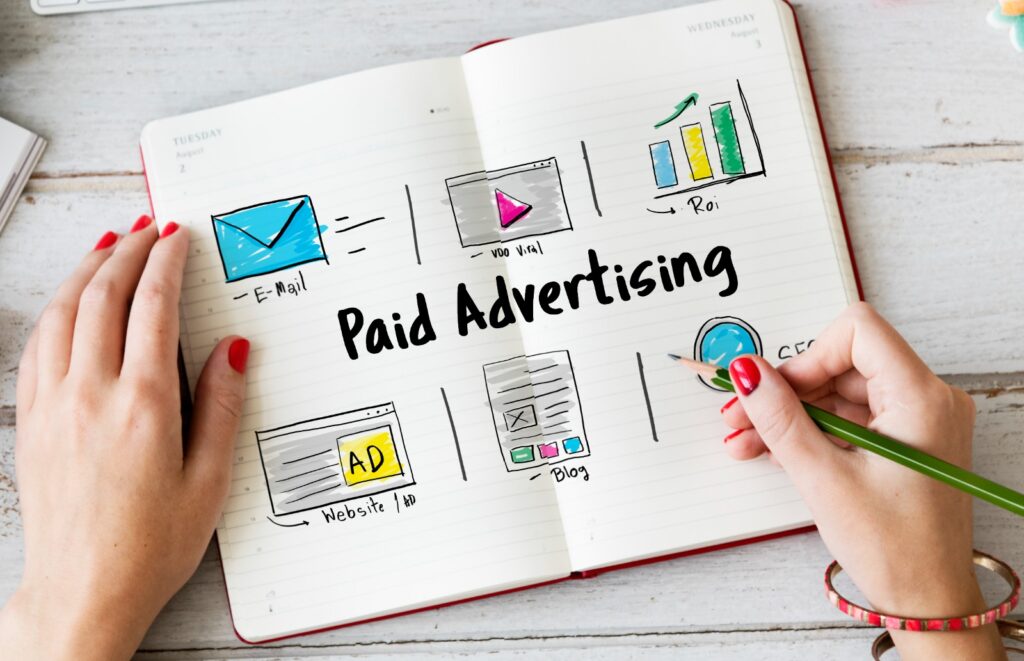
Paid advertising continues to shift at an incredible pace, and marketers who don’t keep up often end up spending more while getting fewer results. With new platforms emerging, targeting rules changing, privacy policies evolving, and AI influencing almost every aspect of digital marketing, understanding the latest paid advertising trends has become essential for running successful campaigns. Whether you’re managing ads for clients or scaling your own business, staying updated helps you avoid wasted budget, reach your ideal customers, and achieve stronger ROI. Based on real experience and industry insights, here are the key trends every marketer must watch before launching their next paid campaign.
1. AI-Powered Campaign Optimization Is Becoming Standard
Artificial intelligence is no longer optional in paid advertising — it’s embedded into almost every major platform. From Google’s Performance Max to Meta’s Advantage+ campaigns, AI is being used to automate bidding, improve targeting, test creative variations, and predict audience behavior. Marketers who embrace AI-powered tools are getting faster optimization and better results with less manual work. However, successful advertisers don’t rely solely on automation; they combine AI efficiency with human strategy. The key is feeding platforms high-quality data, strong creative assets, and conversion signals. AI handles the scaling, but you guide the machine with smart direction.
2. First-Party Data Is More Valuable Than Ever
With privacy changes like iOS updates, cookie restrictions, and platform-level data limitations, paid advertising is shifting toward first-party data. Brands now need their own customer insights instead of relying on third-party tracking. Email lists, CRM data, website behavior, and consent-based tracking offer a major advantage in precision targeting. Platforms reward advertisers who provide clean and accurate conversion data because it helps their algorithms learn faster. Marketers who build strong first-party data strategies — such as lead magnets, email funnels, loyalty programs, and gated content — will run more effective and efficient campaigns in the long run.
3. Short-Form Video Ads Are Outperforming Static Creatives
Short-form video is dominating nearly every social platform, and this trend has fully extended into paid advertising. TikTok Ads, Instagram Reels Ads, YouTube Shorts Ads, and even Pinterest video ads are outperforming static images in both reach and engagement. Users prefer dynamic, story-driven content that feels authentic and entertaining. The beauty of short videos is their ability to capture attention within the first 2–3 seconds. Marketers who adapt to this trend are producing multiple variations of short-form ads rather than relying on one polished video. Testing, tweaking, and refreshing creative frequently is now essential for maintaining strong performance.
4. Creative Testing Is Becoming the New Targeting
As ad platforms limit granular targeting options, creative has taken center stage. Instead of relying on narrow audiences, platforms want advertisers to use broad targeting and let the algorithm find the right customers. This shift means ad creatives determine results, not audience settings. Marketers who succeed today test multiple hooks, formats, visuals, and messages to see what resonates. A strong creative testing framework includes launching 5–10 variations at a time, evaluating performance quickly, and pausing underperformers. The more creative angles you test, the more the algorithm learns — and the cheaper your cost per acquisition becomes.
5. Marketers Are Shifting Budgets Toward TikTok & YouTube Ads
Although Facebook and Google remain powerful, many advertisers are shifting budgets toward TikTok and YouTube because of their massive reach and strong performance potential. TikTok’s algorithm gives brands the ability to reach viral-level attention even with small budgets, while YouTube Ads provide unmatched intent-based targeting, especially with search-driven audiences. Both platforms offer relatively lower costs compared to mature networks. This year, more brands are diversifying their ad spend to reduce dependency on one platform. Those who test emerging platforms early often achieve better results and lower costs than advertisers who wait until competition increases.
6. Demand for Authentic, User-Generated Ads Is Rising
User-generated content (UGC) ads have become one of the most reliable formats for paid advertising. Consumers trust real people more than celebrities or overly polished brand messages. UGC-style ads — testimonial videos, product demos, unboxing clips, casual reviews, or point-of-view style content — consistently outperform traditional studio ads. They feel more relatable and less “salesy.” Many brands are partnering with micro-creators or building in-house UGC teams to produce natural, story-based ads. This format is especially effective on TikTok, Meta platforms, and YouTube Shorts, where raw authenticity drives conversions.
7. Retargeting Strategies Are Changing Due to Privacy Updates
Retargeting has become more challenging as tracking becomes harder across mobile devices and browsers. But it’s still possible — you just need new strategies. Instead of relying solely on pixel-based retargeting, marketers are using first-party data, email lists, engagement audiences, video viewers, and CRM segments. Platforms like Meta and Google are improving modeled conversions and aggregated event measurement to fill tracking gaps. Modern retargeting focuses on warming up audiences through content, value-driven messages, and sequential storytelling. Smart advertisers are layering different retargeting stages instead of using one generic “buy now” ad for everyone.
8. Budget Flexibility and Real-Time Optimization Are Now Essential
Paid advertising success requires flexibility. Campaigns fluctuate daily due to competition, seasonality, algorithm shifts, and creative fatigue. Marketers who set budgets and walk away often see declining results. Instead, advertisers need to monitor campaigns, adjust bids, refresh creatives, and reallocate spend based on performance. Real-time optimizations such as increasing budgets for winning ads, shifting spend between platforms, or rotating new creatives can significantly improve outcomes. Agile advertisers who move quickly are consistently outperforming those who take a “set it and forget it” approach.
9. Landing Page Experience Matters More Than Ever
Even the best ads fail if the landing page doesn’t convert. Platforms like Google and Meta now factor landing page quality into ad relevance and cost. A fast, mobile-friendly, conversion-focused landing page can dramatically improve your results and reduce cost per click. Marketers are leaning into simple layouts, clear CTAs, trust badges, testimonials, short forms, and fast load times. A/B testing headlines, visuals, and offers is also becoming a standard practice. Better landing pages not only increase conversions but also improve algorithmic learning — leading to lower costs across the entire campaign.
10. Measurement and Attribution Are Becoming More Complex — and More Important
The days of easy tracking are long gone. Now, advertisers need a smarter approach to attribution. With multi-device journeys, privacy restrictions, and platform biases, relying on one platform’s numbers often gives an incomplete picture. Marketers are using blended attribution, tracking dashboards, UTM parameters, conversion modeling, and in-platform analytics to get a more accurate view. Successful advertisers understand that no single metric tells the full story. They analyze long-term trends, not just short-term spikes. With smarter attribution, marketers make better decisions, scale winning campaigns faster, and avoid wasted ad spend.
Final Thoughts
Understanding these paid advertising trends is essential for running profitable campaigns in today’s fast-changing digital environment. The brands that succeed are the ones that adapt quickly, test consistently, and use data to guide their strategy. Effective marketing is no longer just about spending money — it’s about spending it intelligently. By embracing new tools, creative formats, and smarter optimization methods, you can stay ahead of competitors and generate stronger results from every dollar spent.